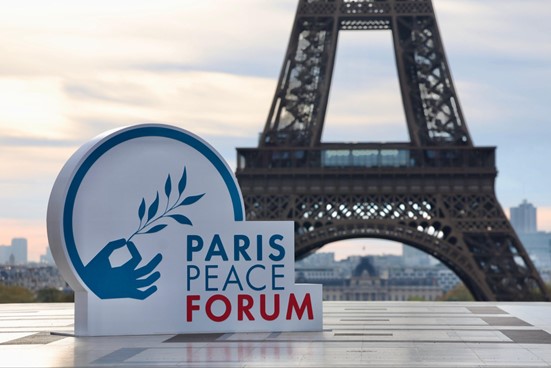
The Paris Peace Forum 2026, convened by the Paris Peace Forum, takes place at a moment of increasing strain on the post-Cold War multilateral system. As geopolitical competition intensifies and institutional consensus weakens, the Forum provides a platform to reassess the viability and future trajectory of global governance.
Discussions at the 2026 Forum center on economic coordination, technology governance, climate policy, and conflict management—policy domains where existing multilateral frameworks face growing limitations in enforcement capacity and political alignment.
The Forum illustrates a structural transition rather than a temporary disruption. Multilateralism is not disappearing, but evolving under pressure. Formal institutions continue to provide legitimacy and normative frameworks, yet their operational effectiveness is increasingly supplemented—or bypassed—by smaller coalitions, regional groupings, and issue-specific partnerships.
This emerging landscape suggests a shift toward what may be described as “layered governance”: a system in which global institutions, regional alliances, and ad hoc coalitions coexist, each addressing different aspects of international coordination.
For policymakers, the key challenge lies not in restoring a singular rules-based order, but in managing complexity—balancing institutional legitimacy with strategic flexibility. The 2026 Paris Peace Forum underscores that future global governance will likely be less centralized, more fragmented, and increasingly shaped by pragmatic cooperation among aligned actors.