
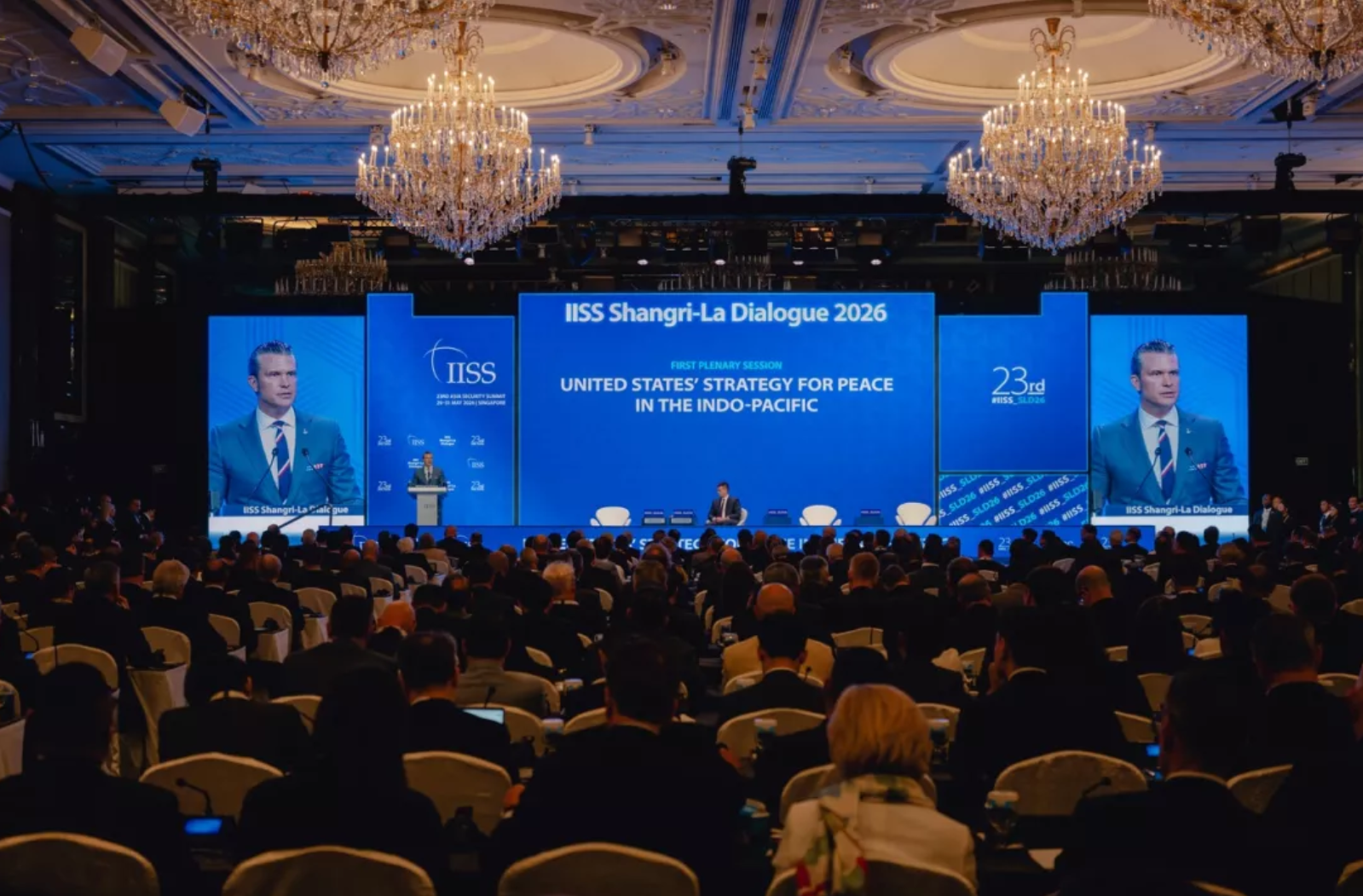
Looking Ahead to the 2026 Shangri-La Dialogue: Key Turning Points and Strategic Dialogues in the Asia-Pacific Security Landscape
As Asia’s most influential defense and security summit, the 2026 Shangri-La Dialogue will undoubtedly once again become the focus of global geopolitics. With the rapid evolution of the international landscape, the stability of the Asia-Pacific region is facing unprecedented tests. This conference is expected to bring together defense ministers, military generals, and security policy experts from various countries to jointly explore strategic guidelines for addressing emerging threats. From a professional policy analysis perspective, this article will delve into the potential core issues and development trends of the 2026 Shangri-La Dialogue.
China-US Strategic Interaction and Risk Management
In previous Shangri-La Dialogues, the interaction model between China and the United States has always been the top priority of external attention. Looking ahead to 2026, the structural factors of major power competition still exist. How to establish effective military communication mechanisms and risk management guardrails while safeguarding their respective strategic interests will be the core of the clashes and dialogues between the two delegations. The conference platform not only provides an opportunity for direct contact between high-level officials on both sides, but also serves as an important international stage to demonstrate the posture of responsible major powers to regional countries and reduce strategic miscalculations.
Reshaping the Regional Security Architecture and the Evolution of Multilateral Mechanisms
The security architecture in the Asia-Pacific region is in a period of dynamic reshaping. The continuous development of multilateral and minilateral security mechanisms (such as AUKUS and Quad) has had a profound impact on the regional balance of power. The 2026 Shangri-La Dialogue will be a key window to observe how these mechanisms interact with existing frameworks. At the same time, the centrality of ASEAN appears particularly important in the complex game between major powers. Participating countries will discuss how to promote a rules-based international order by strengthening multilateral cooperation platforms, and seek peaceful resolution pathways for maritime security and potential conflict hotspots.
Non-Traditional Security Threats and Challenges of Emerging Military Technologies
In addition to traditional territorial and defense issues, the 2026 conference agenda is expected to significantly increase its focus on non-traditional security areas. Emerging issues such as the application of artificial intelligence (AI) in the military, cyberspace security, space competition, and supply chain resilience have become an inseparable part of modern defense policies. High-level defense officials from various countries urgently need to use this multilateral forum to engage in dialogue on military norms and international standards for emerging technologies, so as to prevent uncontrollable risks brought about by the technological arms race, and seek transnational cooperation in fields such as climate change and humanitarian assistance.
Conclusion: Communication as the Cornerstone of Maintaining Peace
In summary, the 2026 Shangri-La Dialogue is not only an annual gathering of defense chiefs, but also a bellwether for the security landscape in the Asia-Pacific region and even the globe. In an international environment full of uncertainties, maintaining open channels of strategic communication and multilateral dialogue mechanisms is an indispensable cornerstone for reducing the risk of conflict and maintaining regional peace. The various official statements and bilateral meeting results from this conference will provide important indicators and research bases for geopolitical developments in the coming years.