
Bangladesh confronts a critical inflection point in its energy policy that extends beyond domestic economic concerns to shape broader Indo-Pacific stability. With a population of 177 million and an economy growing at 5-6% annually, Bangladesh’s electricity demand has surged dramatically over the past decade. The nation’s current energy infrastructure—heavily reliant on imported coal and liquefied natural gas (LNG)—has become a significant vulnerability, exposing the country to volatile international commodity markets and geopolitical supply disruptions.
The immediate energy crisis is not merely a technical problem but a strategic one. Bangladesh imports approximately 70% of its coal and depends on LNG shipments from Qatar, Australia, and other suppliers. This dependency creates multiple vulnerabilities: currency exposure to global energy price fluctuations, foreign exchange reserve depletion, and susceptibility to supply chain disruptions. These pressures directly constrain Bangladesh’s fiscal capacity for development, social spending, and infrastructure investment—factors that influence political stability and regional dynamics in South Asia.
The Case for Renewable Energy Transition
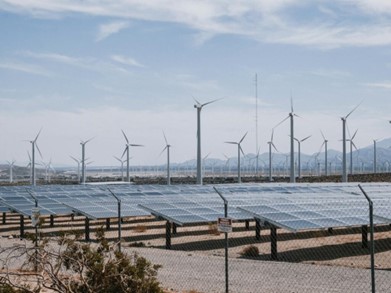
Energy policy experts and development analysts increasingly advocate for Bangladesh to pivot toward renewable energy sources, particularly solar and wind capacity. This recommendation is grounded in both economic and strategic rationale. Solar potential in Bangladesh is substantial; the country receives average solar irradiance of 4-5 kWh/m²/day, sufficient for cost-competitive photovoltaic generation. Bangladesh’s coastal geography also presents wind energy opportunities, particularly in the Bay of Bengal region and Cox’s Bazar district.
The economic case is compelling. Renewable energy costs have declined 89% for solar and 70% for onshore wind globally since 2010. Bangladesh can now deploy solar capacity at approximately $0.04-0.06 per kilowatt-hour, substantially below the $0.08-0.12 cost of imported coal-fired generation when accounting for fuel transport and price volatility. A deliberate shift toward renewables would reduce foreign exchange outflows, improve current account balances, and create domestic employment in manufacturing and installation sectors.
Beyond cost considerations, renewable deployment addresses Bangladesh’s vulnerability to international energy markets. Unlike coal imports subject to shipping disruptions or LNG contracts with price escalation clauses, domestically-generated solar and wind capacity provides energy independence. This is particularly significant given Bangladesh’s geographic position in a region where great power competition increasingly affects energy supply chains.
Structural Barriers to Renewable Adoption
Despite the strategic and economic rationale, Bangladesh has not accelerated renewable deployment at the pace energy analysts recommend. Several structural obstacles persist. First, Bangladesh’s power sector remains dominated by state-owned utilities operating under cost-recovery tariff structures that favor conventional generation. The Bangladesh Power Development Board (BPDB) and state-owned generation companies have institutional interests in maintaining coal and gas capacity, and their financial health depends on fossil fuel revenues.
Second, renewable energy integration requires substantial grid modernization and energy storage infrastructure. Bangladesh’s electrical grid currently lacks the real-time balancing capacity necessary for high-penetration variable renewable sources. Battery storage systems remain expensive, though costs are declining. Without grid-scale storage or demand-response mechanisms, utilities face operational challenges integrating intermittent solar and wind capacity.
Third, financing constraints limit deployment velocity. While Bangladesh has mobilized some renewable investment through the Asian Development Bank and World Bank, capital requirements for a meaningful energy transition—estimated at $20-30 billion through 2030—exceed readily available concessional financing. Private sector investment in renewable energy has remained modest, partly due to regulatory uncertainty and perceived policy inconsistency.
Regional and Geopolitical Dimensions
Bangladesh’s energy choices carry implications beyond its borders. The country sits at the intersection of South Asian and Indo-Pacific energy dynamics. India, Bangladesh’s largest neighbor, pursues aggressive renewable deployment targets and has positioned itself as a regional clean energy hub. Bangladesh’s energy trajectory affects bilateral relations, regional energy market integration, and broader climate commitments under the Paris Agreement.
Additionally, Bangladesh’s energy security intersects with climate vulnerability. The country ranks among the world’s most climate-exposed nations, facing severe risks from sea-level rise, cyclones, and riverine flooding. Paradoxically, continued coal dependence increases global emissions contributing to the climate change that threatens Bangladesh’s survival. This creates a strategic imperative: renewable energy deployment is simultaneously an economic efficiency measure and a climate adaptation necessity.
The geopolitical dimension is also relevant. China has positioned itself as a major infrastructure investor in Bangladesh, including through coal-fired power plants. While Chinese investment has supported Bangladesh’s energy capacity, it has also locked the country into fuel import dependency and carbon-intensive pathways. A deliberate renewable transition would reduce structural dependence on Chinese energy infrastructure financing and create space for diversified partnerships with Japan, South Korea, and development banks.
Strategic Outlook: Policy Imperatives for Bangladesh
Bangladesh requires a comprehensive energy policy reset that prioritizes renewable deployment as a core strategic objective, not a supplementary initiative. This demands several coordinated actions:
- Regulatory Reform: Establish independent power regulatory authority with transparent tariff-setting mechanisms that reflect true generation costs, including externalities of coal and gas imports.
- Grid Modernization: Invest in smart grid infrastructure and battery storage systems, with phased targets for renewable penetration—20% by 2025, 40% by 2030.
- Financing Mobilization: Expand concessional financing from multilateral banks and develop domestic green finance mechanisms, including green bonds and climate fund access.
- Workforce Development: Build technical capacity in renewable energy sectors through vocational training and university programs, creating domestic expertise and employment.
- Regional Cooperation: Explore cross-border renewable energy trade with India and Nepal, leveraging complementary resources and grid interconnections.
Bangladesh’s energy transition is not merely a technical or economic issue—it is a strategic imperative for national resilience, fiscal sustainability, and regional positioning. The window for orderly transition remains open, but narrowing. Continued dependence on imported fossil fuels will compound Bangladesh’s vulnerabilities to commodity price volatility, climate impacts, and geopolitical disruptio